
Exploring the Link Between Physiotherapy and Emotional Codependency
We had the pleasure of participating in a free workshop hosted by the DAH Association, Mauritius. Naela Y. Jhuboo shared valuable insights that helped attendees understand the complexities of emotional codependency and its link to physical well-being. Let's dive into how physiotherapy directly leads to the betterment of your mental health.
PHYSIOTHERAPYPSYCHOLOGY
This article was written with editorial support from ACS Socials.
Workshop on Emotional Codependency; How to get out of it.
The Workshop on Emotional Codependency & How to get out of it was co-hosted by Mrs Naela Y. Jhuboo, Physiotherapist & Founder of Physio4Her & Synthesis Clinic alongside Mrs Adilah Osman, Counsellor in Psychology.
Understanding Emotional Codependency
Physiotherapy is much more than just physical health, but before we dive into how it can be used to manage mental stressors, let's talk about what exactly is emotional codependency?
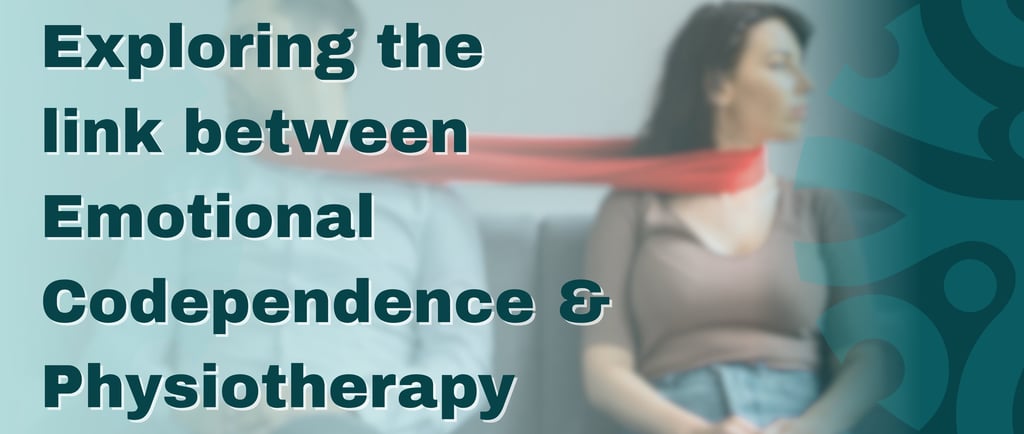
Emotional codependency is a behavioral condition where one individual is overly reliant on another for emotional support and validation. This dependency often leads to an unhealthy imbalance in relationships where individuals prioritize the needs of others over their own, often resulting in an unhealthy relationship dynamic.
Identifying Codependent Behaviour
People with codependency may exhibit characteristics like:
Low self-esteem
Difficulty in making decisions
Excessive caretaking & feeling responsible for other people's actions
Weak boundaries
People-pleaser
Lack of trust in self & others
Fear of Abandonment
Neglect self-care
Poor communication
Loss of personal interest
The Power of Physical Activities in Managing Emotional Codependency
Physical activities play a significant role in managing emotional codependency. We recommend engaging in regular exercise as it is proven to improve mood, reduce stress, and foster a sense of independence and self-worth. Below are other important contributors for any individuals struggling with codependent behaviours.
Increase in physical strength & endurance.
Improving body composition, fitness & motor abilities.
Improving quality of life.
Reduces the risk of chronic diseases by 20-30%
Get started with light daily exercises, in small sessions of 15-30 minutes.
The Connection between Physical Exercise and Mental Well-Being
Physical exercises are not just beneficial for the body; they are crucial for mental well-being too. Activities such as yoga, running, and strength training release endorphins, and much more. In short, these exercise can provide the below benefits:
Decreases stress
Sharper memory and thinking
Higher self-esteem
Improve mood swings
Improve sleeping patterns
Reduce anxiety/ depression
Suffering from any of the conditions mentioned above?
Types of Physical Activities to Consider
For those getting started with moving their body, we suggest doing
Breathing Exercises
Stretching Exercises
Anyone who wants to take it a step further in order to release stress and better regulate emotions, try
Aerobic exercises such as
Rope Skipping
Boxing
Running
Cycling
Swimming [ our favourite to move every muscle! ]
Anaerobic exercises such as
Body Weight exercises
HIIT exercises
Impact of Physical Exercise on Mental Health
The positive impact of physical exercise on mental health cannot be overstated. Regular physical activity can lead to improved sleep, higher energy levels, and a stronger immune system. These benefits directly translate to a better emotional state, helping to mitigate symptoms of codependent behaviors.
Exercise causes your brain to release 'feel good' chemicals such as endorphins and serotonin. These neurotransmitters promote feelings of happiness and reduce perception of pain increasing physical energy in the body
Exercise can help lower blood pressure and heart rate which reduces the stress hormones (cortisol) in the blood which inturn increases feelings of calmness and wellbeing.
Exercise improves immune system functioning by improving the removal of waste product build-up in the body.
Exercise balances the levels of oxygen and carbon dioxide in the blood lifting your mood which inturn decrease depression and anxiety.
Exercise strengthens bones, burns fat, builds muscle and maintains muscle mass, which is important process of aging.
In conclusion, understanding and addressing the link between physiotherapy and emotional codependency can lead to healthier, more balanced lives.
Incorporating physical activity can help us become less co-dependent.
Physical activity allows more time for self love and self growth.
Physical activity will create a proper standard and healthy mindset for any relationship.
By integrating physical activities into daily routines and seeking professional help, individuals can manage codependent behaviours more effectively and improve their overall quality of life.
Seek Professional Support
Therapists & counsellors play a crucial role in helping individuals navigate codependency by providing personalised strategies and coping mechanisms to address codependency patterns effectively.
Since any emotional or mental stressors may cause physical pain and difficulties, reach out to your nearest physiotherapist to assist you in your journey.
Connect
Contact
admin@synthesisclinic.org
+230-5500-0800
© 2026. All rights reserved to WN Health Solutions Ltd.